
“Superhuman effort isn’t worth a damn unless it achieves results.”
― Ernest Shackleton: Antarctic Explorer
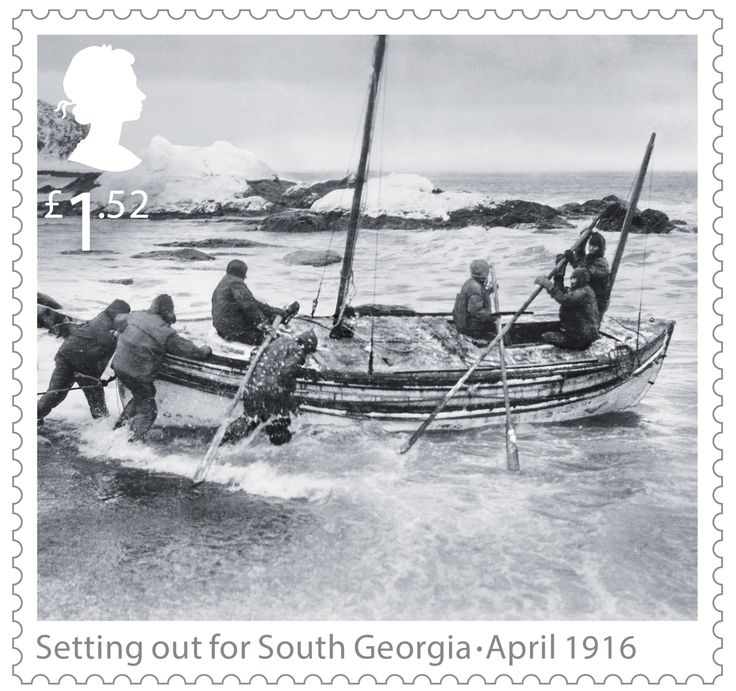
In a previous blog I wrote about the world’s most famous mutiny, the Mutiny on the Bounty and some of the lessons for managers in Bligh’s epic journey in an open boat. It’s 110 years this month when another epic journey commenced in the Antarctic. It was Eric Shackleton’s journey in a small lifeboat, the James Caird, undertaken after his ship, the Endurance was trapped in ice in the Weddell Sea and sank.
Shackleton’s purpose for being in the Antarctic was to lead the first expedition to cross the Antarctic continent. The loss of the Endurance in pack ice put an end to this plan.
Leaving 22 crew behind, with no hope of rescue, Shackleton and six crew sailed 1,300 kms from Elephant Island just off the coast of Antarctic to South Georgia island. This was their only hope of survival. They battled treacherous seas, freezing temperatures, and the constant threat of capsizing in the small boat across in the tempestuous Southern Ocean.
Once they landed on the uninhabited side of the South Georgia, they had to trek for 36 hours nonstop over mountains and glaciers with no map, no proper gear, and no sleep to reach the whaling station. Shackleton then orchestrated the rescue of all 22 men left behind—not a single life was lost during the entire ordeal, which lasted nearly two years.
There is no doubt this was a test of leadership under the most trying of circumstances.
So, as managers what can we learn from this extraordinary feat of leadership?
Here are 3 key leadership lessons to consider:
1. Adapative Leadership and Putting People First
When it became clear the goal of crossing Antarctica was impossible, Shackleton immediately shifted focus: “A live donkey is better than a dead lion,” he said. His priority became the safety and survival of his men, not personal glory.
How many leaders and managers these days allow their goals and ambition to override their peoples’ wellbeing and safety?
Under pressure, great leaders adapt their goals and put their people first.
Shackleton’s ability to adapt to evolving circumstances is a testament to his exceptional leadership. When the Endurance was lost, he shifted his focus from the original expedition goal to the paramount objective of saving lives. The decision to embark on the perilous journey to South Georgia showcased Shackleton’s adaptability and innovative thinking in the face of unexpected challenges.
2. Maintain Morale Relentlessly
During the harrowing expedition in the small boat, Shackleton kept spirits up through structure (daily routines), optimism, and presence. He never showed despair, rotated duties to prevent boredom and tension, and even organised games and talent shows.
Morale is the key to survival in any team and Shackleton was able to manage emotional climate and challenges during the epic journey. Shackleton’s leadership style was characterised by a deep sense of empathy and a commitment to the well-being of his team. The survival of the entire crew during the arduous journey was a testament to this. His people-first approach, prioritizing the physical and emotional welfare of his crew was impressive.
3. Make Bold Decisions in Times of Uncertainty
The decision to sail a tiny boat 1,300 kms through freezing, stormy seas was almost suicidal—but it was their only chance. Shackleton planned meticulously, chose the strongest men for the boat crew, and took personal responsibility for the hardest tasks.
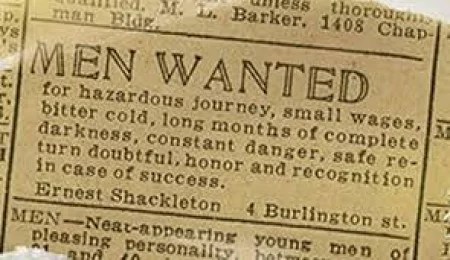
In a crisis, good leaders make bold, informed decisions and shoulder the hardest burdens themselves. In times of uncertainty, resilient leaders remain steadfast, inspiring confidence in their teams. For example, leaders can champion a positive attitude and proactively address challenges, turning obstacles into stepping stones for success.
In conclusion, although Shackleton didn’t succeed in his original goal his leadership turned a disaster into one of the greatest survival stories in history. He is still studied in business and military schools today.
@thenetworkofconsultingprofessionals

