
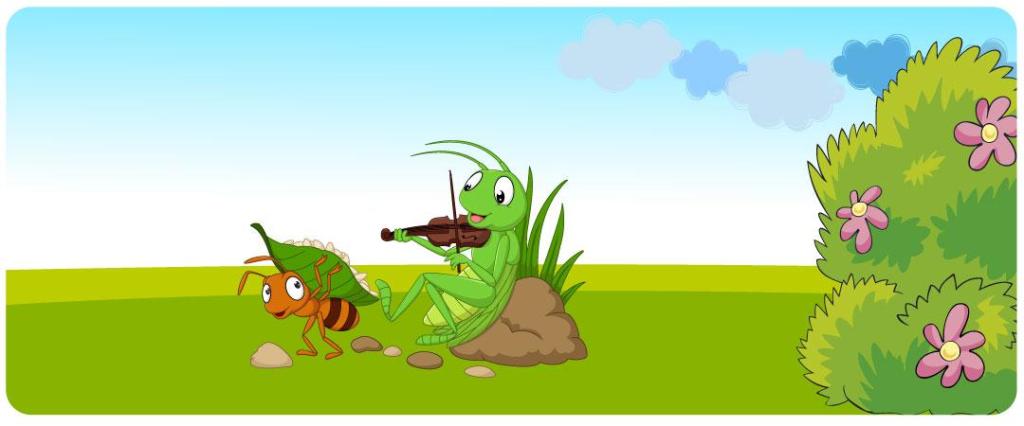
“All you ants do is work all day.
You should be more like me and play, play, play!”
With Christmas and the new calendar year approaching, its often a great time to reflect on the previous year and plan for the next, which I have covered in previous blogs.
Rather than using a Christmas or end of year theme, I’ve elected to use Aesop’s fable, “The Ant and the Grasshopper.”
Who was Aesop?
Certainly not a brand of cosmetics! Aesop was a Greek storyteller, said to have lived around 600 BC, who is credited with a number of fables known as Aesop’s Fables, the most famous being the Hare and the Tortoise.
The Fable of the Ant and the Grasshopper.
In summary, a diligent ant works tirelessly throughout the summer to store food for the winter. In contrast, a grasshopper spends his days playing music and dancing, mocking the ant’s hard work and inviting it to join in the fun. The ant, however, remains focused on its task, warning the grasshopper of the harsh winter ahead. As the seasons change, the ant settles comfortably into its nest with ample food, while the grasshopper, unprepared for the cold and without food, faces a grim future.
With the end of year approaching do you think there are any lessons for managers in this fable?
As mentioned earlier, the end of year is certainly a time for reflection and an opportunity to plan for the future. Here are three lessons from the fable:
- Preparation and Foresight
The ant’s forward-thinking and preparation for the winter months underscore the importance of strategic planning in management. Leaders should anticipate future challenges and prepare accordingly, ensuring that their teams and organisations are not caught off-guard by unforeseeable events. This lesson emphasises the value of setting long-term goals and working steadily towards them, rather than being swayed by immediate gratifications or distractions.
- Resource Management
The careful collection and storage of food by the ant exemplifies effective resource management. For managers, this translates to the prudent allocation of resources, including time, budget, and manpower, to ensure sustainability and growth. Efficient resource management also involves making tough decisions about where to invest effort and assets, and prioritising activities that ensure the organisation’s survival and success in the long run.
- Work Ethic and Discipline
The ant’s unwavering commitment to its task, even when tempted to abandon its duties for temporary pleasures, highlights the virtues of work ethic and discipline. Managers should foster a culture that values hard work, responsibility, and persistence. Encouraging a strong work ethic and maintaining discipline within the team are crucial for achieving objectives and maintaining operational integrity, especially when facing adversity or tight deadlines.
In this fable, can you think of any other lessons for managers?
On behalf of my readers, I wish you and your families a Merry Christmas and a Happy New Year.
@thenetworkofconsultingprofessionals
 5-Dimensionz