Tobruk – the what, where, how, and why…
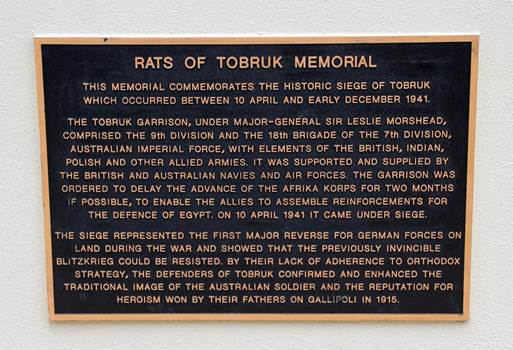
Tobruk is a deep water port town situated in North Africa in what is now Libya. During the North African campaign in World War II, Tobruk’s port facilities were critical in supplying the Allied forces as fought the Africa Korps who were commanded by Erwin Rommel. Should Tobruk fall to the Axis forces, supply lines would be dramatically shortened, allowing them to attack the Allied forces in Egypt and capture the Suez Canal. Between April and December 1941 British Commonwealth and Empire troops, the majority Australians, became involved in what was known as the Siege of Tobruk.
So, what have rats got to do with Tobruk?
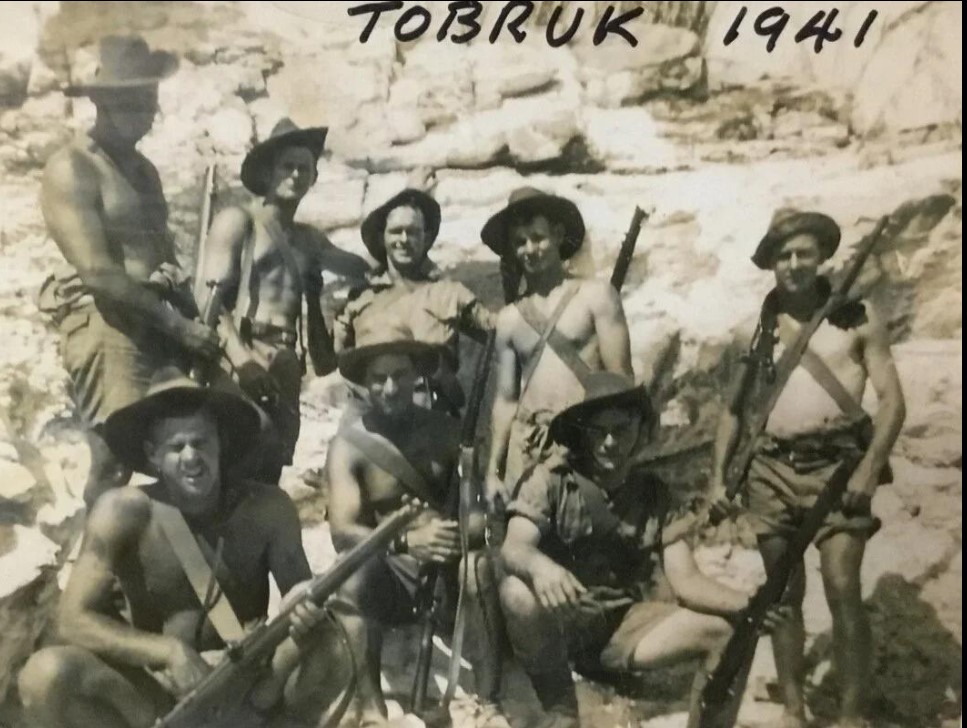
The notorious radio broadcaster of Nazi propaganda to the UK during World War II was William Joyce, better known as Lord Haw Haw, he would announce ‘Germany calling, Germany calling’ and would then proceed to introduce threats and misinformation. During a broadcast about the Tobruk siege, Joyce scoffed that the men defending the garrison were ‘caught like rats in a trap’. The Australian soldiers loved the term ‘Rats of Tobruk’ and defiantly adopted it as a badge of honour. They turned the derogatory comments back against the Germans.
Australian forces who were the main force played a significant role in the defence of Tobruk. During the initial stages of the siege under extremely difficult conditions, they provided successful resistance against repeated Axis attacks. Their determination, defensive tactics, unconventional approach and skilful use of the rugged terrain contributed to their success.
What and How did the Australian troops do?
The environment was harsh, with flies, sand, dust and heat combined with constant bombing by the Luftwaffe. Despite these conditions including a limited diet they held out against a superior force in both equipment and troop numbers. The siege situation was fragmented and constantly changing. The Allied troops were often cut off from the main force. Junior officers and NCOs had to make decisions on the spot and not rely on senior officers. Small units operated independently along a long defensive perimeter, harassing the enemy, often at night.
What can we as managers learn from the ‘Rats of Tobruk’?
Apart from resilience and determination of the Allied forces particularly the Australians, what other lessons were there from the siege?
- Adaptability and Flexibility: The defenders of Tobruk had to adapt their strategies and tactics to the changing circumstances. Although Rommel’s forces had superior mobility and firepower, the Australians compensated with ingenuity. Adapting to new situations and finding innovative solutions is a crucial aspect of being a successful manager. Agility and resourcefulness often succeeds against scale and superior resources.
- Decentralised decision making is critical: too often we hear of organisations failing through top-down command and control systems. The senior Australian officers delegated decision making to the leaders in the field. Providing frontline managers with the skills and responsibility to make decisions creates sustainable organisations. One of the critical success factors in our logistics business was giving our warehouse supervisors the training and authority to deal with customers directly, allowing senior management to concentrate on longer term strategies.
- Clear Goals: the goals and ‘why’ were important and clearly communicated to Tobruk’s defenders. Failure would lead to the capture of the Egypt and the Suez Canal by the Axis forces, cutting off essential supplies to the Allied war effort from the British Dominions and colonies. Not only did clear goals and purpose assist, camaraderie and what I call the ‘rats’ effect’ built morale and developed teamwork supported by senior commanders. Culture is important. Empowered teams outperform tightly controlled ones, especially when conditions are uncertain.
What other lessons from the Siege of Tobruk 85 years ago can you think of?
@thenetworkofconsultingprofessionals