A time for reflection…

“There is always more to be done, more that should be done, always more than can be done”

Andy Grove – CEO Intel

Christmas is a time for reflection – appreciating what you have achieved in the year, celebrating with your family or friends, resting and enjoying the holiday break before starting the new year, energised and refreshed.

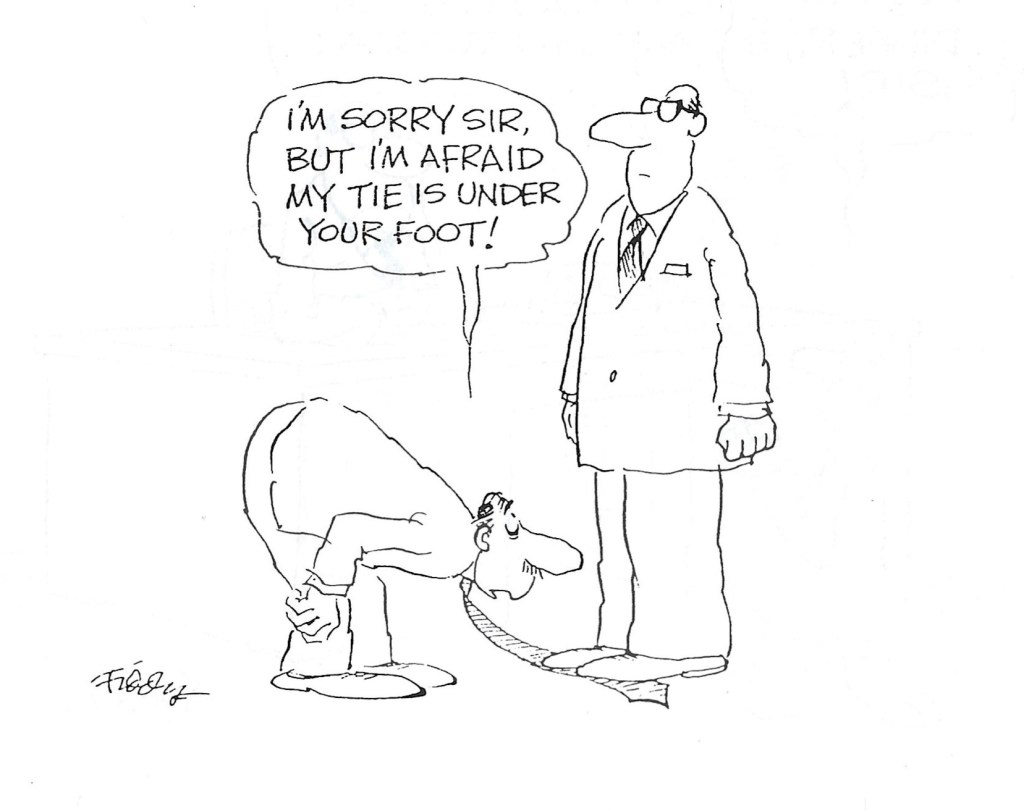
As business owners and managers, we are ALWAYS under pressure and have restrictions on our time. There is always more to be done, as Andy Gove’s quote says, “You can never get time back!” We can accumulate money, friends, customers and businesses, but we cannot accumulate time.

So how do we get ‘more time’?

A simple exercise to get your time back and get better results

As business owners and managers, we are under constant pressure and time commitments. As Andy Grove’s quote says, there is always more to be done and sadly, we are costrained by the amount of time we have.

There are only 1,440 minutes in the day.

Having a to-do list does not always mean we can allocate our time effectively. Many of us spend time on things we like doing, rather than on what we should be doing!

As a manager, do you know the difference between effectiveness and efficiency?

The difference can be summarised as follows …

Being effective is about doing the right things, while being efficient is about doing things right.

I worked with a business partner who had a to-do list that he compiled daily at the start of each day. He would work on the easy tasks, such as answering emails but not the more difficult ones. He may have been efficient at creating a to-do list, but he was certainly not effective. The important things including having difficult conversations with customers, were not being done.

For us, as managers there is a difference between being effective and being efficient.

  1. Effective – producing the intended or expected result
  2. Efficient – performing in the best possible manner with the least waste of time and effort

As managers, to ensure effective and efficient use of time, we need to minimise reactive attention and maximise focused attention. This means that we should do this when we have the most energy and can focus. Lower energy tasks can be attended to later.

Here are my recommendations:

  • Select the time during the day when you have the most energy and can focus. For me, I’m a morning person so it’s the first 2-3 hours of the day.
  • Decide on what your most important tasks for the day are. Draw up a list and prioritise them into three categories. I’m a big fan of the ‘rule of three’ :
    • Write down the things that only you can do
    • Write down the things you hate doing
    • Write down the things that you shouldn’t be doing

Once you have done this, prioritise the tasks you need to do to ensure effectiveness and delegate those tasks that you shouldn’t be doing. Also, this includes “eating the frog”which is the worst task for the day. It’s amazing the sense of satisfaction when you complete such a task, as it often triggers endorphins, making you positive and energised. Also delegate.

Now that you have categorised your daily tasks, the next challenge is to determine what we should focus as an effective manager. It should not be tasks that we like doing, but tasks that will have the most impact on your business. Activities such as administrative tasks and meetings can be completed in a ‘lower energy’ period of the day.

Do you think these suggestions have merit?

Everybody has their own way of prioritising daily tasks. Time is a limited resource. Remember you only have 1440 minutes in a day so it’s important use them effectively.

In conclusion, I encourage you to look back at everything you did during your last day or week and consider the percentage of time you spent on activities in each of the three categories. You are most likely to be shocked by how little time you spend on the important activities that will actually help your business grow!

Merry Christmas and a Happy New Year.

@thenetworkofconsultingprofessionals

Another parable for managers…

“You reap what you sow” – Anon

In a previous blog, I wrote about the parable of the talents. In summary, a parable is a short but simple fictitious story that illustrates a moral attitude or a religious principle. In ancient Greece and Rome, parables were employed by rhetoricians, politicians and philosophers. In ancient Israel, parables were uttered by prophets and wise women and men. Many of these appear in the Bible in oldest books of the Old Testament. Jesus also told parables to his disciples, and they appear in the New Testament.

In the Parable of the Sower by Jesus from the New Testament in Matthew 13:3-23 offers some lessons for today’s managers.

A farmer went out into a field to sow some seeds. As he scattered them across the ground, they fell on different types of soil, each representing a unique fate for the seeds. Some seeds fell along the path, where they were quickly snatched up by birds. Others landed on rocky ground, where they sprouted quickly but, lacking deep roots, withered under the sun’s heat. A few seeds fell among thorns, which grew up and choked them. But then, there were those that fell on good soil, where they produced a crop – a thirty, sixty, or a hundred times what was sown.

Certainly, the Parable of the Sower is one of those stories that resonates even today. Not only does it unveil truths about human nature and growth, it also offers lessons for today’s managers, providing an analogy of the conditions necessary for professional and business growth and the obstacles, that can prevent it.

Here are three lessons for today’s managers:

Lesson 1: Know Your Terrain

The first lesson is all about understanding your market and the conditions you’re operating in. Just as the sower faced different types of soil, business leaders encounter various market conditions. Some are hard and unyielding, like the path where seeds were easily eaten by birds. This can be likened to entering a highly competitive market with little chance of penetration. Then, there’s the rocky ground—initial excitement without sustainability, akin to launching a product without adequate support or a clear value proposition, leading to quick failure.

But there’s also fertile ground out there, markets or niches ripe for innovation, where if your seed—your product or service—lands, it can flourish.

The key?

Research, understanding, and adaptability. Just as a wise farmer tests the soil, savvy business leaders must analyse their market, understanding its needs, challenges, and opportunities.

Example in Today’s Business Environment

Consider the tech industry, where startups often face the “rocky ground” of rapid scaling without establishing a strong foundation, leading to burnout and collapse. In contrast, companies that find their “good soil,” like niche markets hungry for innovation, can experience exponential growth. Think of Zoom, which, by focusing on reliable, user-friendly video communication, became indispensable in the fertile ground of remote work necessitated by the global pandemic.

Lesson 2: Cultivation is Key

The parable also teaches us the importance of nurturing and protecting your ventures. The seeds that fell among thorns and were choked represent businesses that, while having potential, get overrun by external pressures—be it competition, market changes, or internal conflicts.

For business owners and managers, this means not just planting seeds but cultivating them—investing in your team, fostering a strong company culture, and staying vigilant against threats. It’s about creating an environment where your business can grow, unencumbered by the “thorns” that might seek to choke its potential.

Example in Today’s Business Environment

A prime example is the rise of small businesses and startups that prioritise company culture and employee well-being. Companies like Salesforce and Google, despite their size, focus heavily on maintaining environments that nurture their employees’ growth and creativity, effectively keeping the thorns at bay.

Lesson 3: Patience Yields Prosperity

Finally, the parable underscores the virtue of patience. Not all seeds will bear fruit immediately, if at all, but those that fall on good soil and are tended with care can yield a harvest beyond expectations. For businesses, this means having the patience to see initiatives through, to allow strategies to unfold, and to understand that not every venture will succeed—but those that do, can succeed spectacularly.

Innovation and growth often require time. The “overnight successes” we see are usually years in the making, built on perseverance, adaptation, and learning from failures. The message here is clear: be patient, be persistent, and keep sowing your seeds.

Example in Today’s Business Environment

Consider the story of Dyson. It took James Dyson over 5,000 prototypes and 15 years to create the first bagless vacuum cleaner. Yet, his persistence paid off, revolutionising the industry and leading to a company valued in billions. This is the epitome of patience yielding prosperity, illustrating the truth that the most fruitful harvests often take time to cultivate.

Can you think of any other lessons?

In conclusion, the parable teaches today’s managers the importance of understanding your market, nurturing your business, and having the patience to see your efforts come to fruition. In a world that’s constantly changing, these lessons remain as relevant as ever.

@thenetworkofconsultingprofessionals

Lessons for managers from Fawlty Towers…

Guest: “Is there anywhere they do French food?”

Basil: “Yes, France, I believe. They seem to like it there. And the swim would certainly sharpen your appetite. You’d better hurry, the tide leaves in six minutes.”

Introduction:

Fawlty Towers: The Setting and Popularity Explained:

“Fawlty Towers” was a classic humorous British sitcom, set in a hotel in the seaside town of Torquay. Here the eccentric and perpetually flustered Basil Fawlty runs a struggling hotel with his wife Sybil.

The show’s popularity can be attributed to a combination of sharp writing, impeccable comedic timing, and the brilliant performances of its cast, especially John Cleese as Basil Fawlty. The comedic chaos ensues as Basil interacts with the guests, his staff, and various unexpected situations

Main Characters and Their Idiosyncrasies:

  1. Basil Fawlty (John Cleese): The bumbling and irritable owner of Fawlty Towers, Basil is a study in mismanagement and social awkwardness. His exaggerated attempts to maintain an air of sophistication and control often result in disastrous consequences.
  2. Sybil Fawlty (Prunella Scales): Basil’s wife, Sybil, serves as the voice of reason in Fawlty Towers. However, her condescending and authoritative demeanour, coupled with her obliviousness to Basil’s antics, adds to the comedic tension.
  3. Manuel (Andrew Sachs): The lovable but linguistically challenged Spanish waiter, Manuel, is a perpetual source of confusion and frustration for Basil. His attempts to understand and execute orders often lead to comical misunderstandings.
  4. Polly (Connie Booth): The sensible and resourceful maid, Polly, is often caught in the crossfire of Basil’s misadventures. Her calm and collected demeanour provides a stark contrast to the chaos unfolding around her.

However, beyond the laughter, “Fawlty Towers” offers valuable insights into the world of management, in particular where ‘actions have consequences’. Manuel struggles with the English language result in frequent misunderstandings and chaotic scenarios. Basil’s attempts at managing the hotel are consistently inept. Furthermore, Basil’s social awkwardness and constant attempts to appear sophisticated often backfire.

There are plenty of lessons for today’s managers.

Here are three of them:

  1. Effective Communication Is Key:

Fawlty Towers recurring theme of communication breakdowns serves as a cautionary tale for managers. The show highlights the importance of clear and effective communication to avoid misunderstandings and chaos in the workplace.

  1. Leadership Requires Competence and Adaptability:

Basil Fawlty’s inept management style showcases the pitfalls of leadership without competence and adaptability. His attempts to cut corners, impress guests with grandiose schemes, and maintain an outdated status quo result in frequent disasters.

  1. Maintaining Professionalism Amidst Challenges:

While Fawlty Towers is a comedic farce, it underscores the importance of maintaining professionalism even in the face of challenges. Basil’s social awkwardness and unprofessional behaviour create a chaotic atmosphere in the hotel, impacting both staff and guests.

Can you think of any other lessons for managers?

In conclusion, “Fawlty Towers” remains a timeless classic, not only for its comedic brilliance but also for the insights it offers into the world of management. Through the misadventures of Basil Fawlty and company, today’s managers can learn that effective communication, leadership competence, adaptability, and maintaining professionalism amidst challenges are timeless lessons.

Postnote: John Cleese together with Anthony Jay (who co-wrote  the timeless “Yes, Minister” TV series) founded Video Arts, a company that created training videos for businesses using humour and great examples of what ‘not to do’ in managing businesses and people. Apparently, this was on the basis of “their observation that people learn very little when they are bored and nothing when they are asleep.”

@thenetworkofconsultingprofessionals

September is the month of ‘the festival of the boot’…

“Some people think football is a matter of life and death. I assure you, it’s much more serious than that”

Bill Shankly – Successful Coach of Liverpool United

In Australia, the late September and early October period is ‘grand final’ time for the two major football codes, Rugby League (NRL) and Australian Rules (AFL). Australian comedians and sports personalities ‘Rampaging’ Roy Slaven and HG Nelson call it ‘the festival of the boot’.

Politics, family, lifestyle issues, cost of living and food are forgotten about for a couple of weeks of dreams as fans ponder the outcomes. 

This is a great opportunity to discuss sport as it relates to business

So, does sport have some lessons for managers?

What can we learn?

Here are three lessons to consider:

1.  Recruit the right people, then develop and manage

One of the most important lessons that businesses can learn from sport is to recruit the right people (emphasis on the ‘right’) and not necessarily the ‘best’ people. For a team to work, there needs to be diversity but underpinned by shared values. You can teach people new skills, but you can’t always teach them how to behave. Once you have a good team player – make sure you keep hold of them. Just because someone is the ‘right’ person, doesn’t mean that they will not require guidance.

One Australian Rugby League team of recent times that stands out in this regard is the Melbourne Storm. Only established in 1998 in Melbourne in the heart of AFL country, the club won the Premiership in only its second year and went on to win many more Premierships. Through long term coach Craig Bellamy and his coaching team, the Storm have identified and developed players who were not identified or sort after by other clubs. Bellamy began coaching the Storm in 2003 and is still the head coach!   

In our logistics business, we identified floor staff who had potential, with the right values, were ‘trainable’, have the work ethic and values. Many were casuals hired though labour hire agencies. They were made permanent staff, became supervisors and several became warehouse managers.

2.  Being resilient and overcoming adversity

In sport, as in business, change is inevitable. But it is how you deal with the change that can be a make or break decision. For athletes being mentally resilient is as important, if not more, than an athlete’s physical ability. Being able to deal with adversity, hard training sessions and setbacks strengthens an athlete and further pushes them to be the best that they can be.

A great example of resilience is the winner of Australia’s first Winter Olympic Gold Medal, Stephen Bradbury in 2002. Bradbury won the Gold Medal when all the other competitors crashed. However, what few people realised, is that behind the win were years of hard work and serious injuries.  

For us in business, mental resilience is also an important component for success, as pulling through the tough times and remaining positive in the face of adversity can create opportunities. In my former logistics business, in the space of three months we lost two of our largest customers. They represented 30% of our business. This looked like a disaster. However, we implemented a plan, knuckled down and within 12 months our revenue grew by over 50%.  

3. Embrace Team Diversity

A very good example is the 1995 Rugby World Cup winner South Africa. President Nelson Mandela, in a move to unify a racially divided country, supported the traditionally white-dominated South African Springbok rugby team during the Rugby World Cup. Team captain Francois Pienaar, understanding the importance of this gesture, worked to bring his team together, focusing on shared goals rather than individual differences. Led by Mandela and Pienaar, they showcased the power of embracing diversity by beating the favourites, the New Zealand All Blacks.

Before I went into business for myself, I worked for a national transport business. The CEO was a larger-than-life character, well known and respected in the industry with a work ethic second to none. Within the business was a national operations manager who was highly skilled and driven, much like the CEO. He was seen by the CEO as ‘the type’ of manager the business needed. At the time my wife, an industrial psychologist was providing some professional services to the business and was asked to draw up the ‘essential’ characteristics for the perfect manager so they could be replicated throughout the business. The vision being ‘clones’ throughout the business nationally. After some discussions the idea was dropped.

Businesses need a mix of people to meet their full potential. Whilst I am not advocating diversity for diversity’s sake as is frequently the case today, it is critical to have a diverse pool of experience and talent in an organisation. ‘Group think’ is dangerous and often the best ideas and actions come from a diverse workforce.

Sport offers a wealth of lessons for managers, providing insights into leadership, teamwork and success. Recruiting and developing the right people, being resilient and embracing diversity are just three of the lessons for us in business to learn from sport.

Can you think of other lessons we can learn from sport?

In the meantime, if you are in Australia enjoy the ‘festival of the boot’ the finals of the two football codes.

@thenetworkofconsultingprofessionals
As dead as a Dodo….

“Extinction is the rule. Survival is the exception” – Carl Sagan – US Astronomer and Scientist

The phrase “dead as a Dodo” is not just a metaphor, but an epitaph to the extinction of the Dodo. The Dodo was a bird that inhabited Mauritius, an island in the Indian Ocean and its extinction can provide invaluable lessons for today’s managers.

The Dodo’s Tale: A Cautionary Account

The Dodo, a flightless bird closely related to the pigeon was discovered by Dutch sailors in 1598. It had a bulky body, stumpy wings, and a distinctive beak. It lived in a habitat that was, until then, untouched by humans or any significant predators, which contributed to its fearlessness towards humans. This trait would contribute to its downfall.

The Dodo’s lack of fear was not an anomaly in the natural world but rather a common trait among species that evolve in isolated ecosystems, free from natural predators. For example, when humans arrived on Kangaroo Island, just off the coast of South Australia the kangaroos were unafraid of humans and were easily killed by early explorer including Mathew Flinders and Baudin. With the rising of the ocean, the Aboriginals had left the island thousands of years previously. Furthermore, it has also been hypothesised that the megafauna in Australia (Australia is the only continent apart from Antarctica that does not have megafauna), unafraid of humans were killed when the Aboriginals arrived from the north. This naivety, while initially an evolutionary advantage in predator-free environments, became a critical vulnerability with the arrival of humans and other animals that accompanied them.

The Downfall of the Dodo

The extinction of the Dodo was a tragedy. It stemmed from the bird’s inability to adapt to the rapid changes brought about by human colonisation. The factors leading to its extinction included direct overhunting by sailors for food, habitat destruction due to settlement and agriculture, and the introduction of invasive species like rats, pigs, and monkeys. They preyed on Dodo eggs and competed for food resources. By 1662, less than a century after its discovery, the Dodo was seen for the last time.

What are the lessons for modern managers?

1. Sustainability as a Cornerstone

The Dodo’s extinction underscores the critical importance of sustainable practices. For today’s managers, this translates into a mandate to balance growth with ensuring that business operations do not deplete or destroy natural resources. Aside from the environmental concerns today’s managers need to ensure the business is sustainable. For example, training and empowering staff, increasing and maintaining productivity, successfully implementing new technologies etc. The Dodo teaches us that exploitation without consideration of sustainability both environmental and financial leads to loss in the long term.

2. The Imperative of Adaptability

The Dodo’s inability to adapt to new threats underscores the importance of adaptability in the business world. In an era marked by rapid technological advancements and shifting market dynamics, companies must be agile, ready to pivot strategies, embrace innovation, and respond to emerging challenges and opportunities. Good managers foster a culture of continuous learning and flexibility, preparing their teams to navigate change effectively. The dodo’s fate is a stark reminder that those who cannot adapt are doomed to obsolescence.

3. Foresight and the Management of Unintended Consequences

The unforeseen impacts of introducing invasive species to Mauritius echo the modern-day need for managers to anticipate and mitigate the unintended consequences of their decisions. This requires a deep understanding of the complex interdependencies within systems, whether they be ecological, economic, or social and the foresight to identify potential ripple effects. This can involve conducting risk assessments, taking into consideration the broader implications of their strategies as well as developing robust contingency plans to safeguard against unforeseen outcomes.

Conclusion

The Dodo is not an isolated case; history is replete with species that have suffered similar fates due to their lack of fear of humans from the Great Auk in the North Atlantic, and the Tasmanian Tiger in Australia. The “dead as a Dodo” metaphor acts as a call to action for today’s managers. In an age where the pace of change is relentless, these lessons are not just optional; they are essential for ensuring businesses do not merely survive, but thrive responsibly.

As a manager, what do you think?

@thenetworkofconsultingprofessionals
What is the Rule of 3?

“If you want something stuck in someone’s head, put it in a sequence of three”
Brian Clark – travel writer and digital nomad

Several years ago, I engaged some consultants to review our logistics business. Investigations were made, systems, processes, customers and people were reviewed and a report completed. The single most important lesson I obtained from the review was what they called ‘the rule of three’.

What is that you might ask?

Basically, the assumption is that most people can remember three things. Anymore and the message is quickly lost. Therefore, in formulating any plan or message keep it simple (the KISS principle). Break it down into three actions, messages or goals so it’s easy to remember.

Examples are everywhere from well-known stories to famous quotations;

 Three Little Pigs, the Three Blind Mice, and the Three Wise Men

“Friends, Romans, Countrymen”

“Blood, sweat, and tears”

“Sex, Lies, and Videotape”

Sadly, there are many examples of the opposite, often found in plans compiled by government bureaucracies, consultants and many politicians. One good example is the Australian Government’s Closing the Gap plan for improving the lives of Indigenous Australians. It has ‘19 national socio-economic targets across 17 socio-economic outcome areas’. There is little wonder that only five of the nineteen targets are ‘on track’.

The recent election of Donald Trump as US President is an example of the successful use of the ‘rule of three’. This is not an endorsement of Trump, his character nor methods, but is an example of the success of ‘the rule’. The Republican Party’s message was clear and simple:

  1. Economy – Are you better off than four years ago?
  2. Border Security – over 2 million illegal immigrants entered the country in 4 years
  3. State of the Country – Is the country heading in the right direction?

In breaking down the Economy in message (1) above, it was the cost of living which was further divided into three – petrol, food and housing. A simple message – clear, concise and memorable.

Have you thought about using the ‘rule of three’ to better communicate to your staff or compile a plan of action?

@thenetworkofconsultingprofessionals
The most famous mutiny in history…

“To function efficiently, any group of people or employees must have faith in their leader”

– William Bligh: of mutiny on the Bounty fame

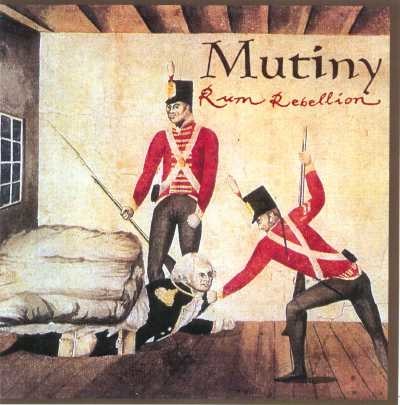
The above quote is rather ironical, considering Bligh was the subject of the most famous historical maritime mutiny, the Mutiny on the Bounty. It was made famous or infamous in three films in 1935, 1962 and 1984. None of these films were sympathetic to Lieutenant William Bligh, the officer in charge (note that he was not a Captain). Interestingly, Bligh was also the subject of another less well-known mutiny, when as Governor of NSW he was overthrown in a military coup in what was known as the Rum Rebellion.

Bligh’s mission was to transport breadfruit plants from Tahiti to feed slaves on plantations in the West Indies. A little known and important fact was that the Bounty had no marines onboard. During this period, it was customary to have marines onboard a naval vessel to ensure discipline and to separate the ordinary sailors from the officers as well as to protect the crew from hostile natives. The Bounty had been converted into a ‘floating greenhouse’ to house the breadfruit so there was no room for a party of marines. Bligh, as only a Lieutenant rather than a Captain, had to rely on his ability to control the sailors onboard. Also, there were no other officers onboard the Bounty.

Bligh was a very experienced sailor, coming from a family with a long naval tradition. He went to sea as a cabin boy at the age of seven and travelled with Captain Cook as the chief navigator on Cook’s third and final voyage. His navigation skills would become extremely useful in the future. Historical reports state that Bligh was a strict disciplinarian and was given to outburst of ‘towering rage’ and ‘bad temper’, which obviously did not endear him to the crew. Strict discipline was, however, not unusual for the times.

Setting sail in 1787, the Bounty was to travel to Tahiti around Cape Horn. However, after terrible storms and weather experienced trying to round Cape Horn, Bligh was forced to sail to the pacific ‘the long way’, across the Atlantic, around the Cape of Good Hope, into the Indian Ocean, through the Great Southern Ocean under Australia and into the Pacific. After this unscheduled extended voyage, the Bounty arrived in Tahiti. Here it stayed for five months to allow the breadfruit trees to mature to be able to be transported. During the stay many of the crew were mostly idle and formed romantic relationships with the local women whilst enjoying the tropic climate of this Pacific paradise.

The Bounty left for the West Indies in April 1789. Later in the same month, the crew led by Fletcher Christian mutinied. Bligh and 18 loyalists were cast adrift in 7m open boat. Considering the circumstances, with their holiday cut short, it is perhaps not surprising that the crew mutinied!

Following the mutiny, the Bounty returned with the mutineers to Tahiti. Meanwhile, the boat with the 18 loyalists was so overloaded, it required constant bailing to remain afloat. Over the next 47 days and over 6,700 kms, Bligh and crew sailed to Timor in the Dutch East Indies. Bligh, ever the disciplinarian ensured severe rationing of food and water – 28g of water and 40g of biscuits per crew member per day. Despite exposure, malnutrition and dehydration the boat arrived without any loss of life, apart from a crew member killed by natives in Tonga. The success of the journey is testament to Bligh’s navigational skills, sheer will power, determination and disciplined leadership.

What do you think are lessons for leaders from the mutiny on the Bounty?

Here are three.

  1. Leadership and Team Dynamics: The Mutiny on the Bounty underscores the critical role of leadership and its impact on team dynamics. Managers should prioritise fostering positive leadership qualities, such as fairness, respect, and effective communication, to create a harmonious and productive work environment.

2.            Addressing Employee Dissatisfaction: Understanding and addressing employee dissatisfaction is essential. In Bligh’s case, his tyrannical leadership contributed to the mutiny. Managers should encourage open channels of communication and actively seek feedback to prevent grievances from festering.

3.            Crisis Management and Adaptability: Bligh’s remarkable journey in the open boat highlights the importance of crisis management and adaptability. Managers should equip themselves with the skills and resilience needed to navigate unexpected challenges, providing stability and direction during crises.

Can you think of any others?

How do you think Bligh should be remembered?

Bligh’s reputation was a mixture of admiration for his survival and navigational skills, and criticism for his leadership approach. He is remembered as a figure of resilience, skilled navigation, and unwavering dedication to his duties, albeit with a leadership style that sometimes clashed with the needs and expectations of those he led. William Bligh’s life is a study in contrasts—his unparalleled navigational achievements and resilience in the face of adversity stand against the backdrop of his leadership controversies. His story offers invaluable lessons on the importance of adaptability, empathy, and the ability to lead under the most challenging conditions.

@thenetworkofconsultingprofessionals

Vanishing Stripes: The Tragic Tale of the Tasmanian Tiger and Lessons for Business

 “Cowardly, as stealing down on the sheep at night and wantonly killing many more than it could eat, as being worthless for its skin” – description of the Thylacine in the 1880s in The Hobart Mercury newspaper!

Many years ago, I was flicking through a photo album of my grandparent’s honeymoon in Tasmania in the late 1920s. In the album was a photo of a Tasmanian Tiger, or Thylacine at the Hobart Zoo, the last of the species to die in captivity in 1936. I was fascinated that they had seen an animal, that is now extinct.

What was the Tasmanian Tiger?

It was not a tiger, but a marsupial carnivore with a slender body, dog-like head, and distinct dark stripes across its back. Native to Tasmania, it once roamed the Australian mainland but disappeared from there around 3,000 years ago, probably due to the introduction of the dingo which was a more effective and efficient hunter. Confined to Tasmania, it was the largest carnivorous marsupial of modern times.

What happened to it?

As European settlers moved into Tasmania in late 18th and early 19th century, being a carnivore, it developed a reputation as a livestock killer. Whether this was justified is open to debate. However, it was seldom seen and historical reports suggested it roamed in open grasslands rather than dense forest.

While human activities played a significant role in the extinction of the Tasmanian Tiger, other contributing factors included intensive hunting, habitat destruction, and diseases introduced by the European settlers. More importantly, government and bureaucratic incompetence played a critical part. In particular, in the 19th and early 20th centuries the Tasmanian government implemented bounties to protect the livestock industry. The indiscriminate killing of Tasmanian Tigers led to a significant reduction in their population, accelerating their path towards extinction. Furthermore, legislation was enacted to safeguard the Thylacine, but the measures were implemented too late and proved insufficient to counter the threats it faced. While the last known Tasmanian Tiger died in 1936, the lack of understanding of Thylacine biology also prevented successful breeding.

Do you think there are any lessons for managers in the extinction of the Tasmanian Tiger?

Here are three to consider:

  1. Adaptability in the Face of Change:

The demise of the Tasmanian Tiger is, in part, a story of failure to adapt to changing circumstances. Businesses, like species in the natural world, must be adaptable to thrive. The introduction of new technologies, shifts in consumer behaviour, and evolving market dynamics require businesses to embrace change, innovate, and remain agile.

Example: Blockbuster Video’s failure to adapt to the rise of online streaming is a stark reminder of the consequences of not embracing change. In contrast, Netflix, recognising the shifting landscape, evolved its business model to dominate the streaming market.

  1. Sustainable Practices for Long-Term Success:

The extinction of the Tasmanian Tiger emphasises the importance of sustainable practices for long-term survival. In the business world, sustainability extends beyond environmental considerations to encompass ethical business practices, social responsibility, and long-term planning.

Example: Patagonia, a renowned outdoor apparel company, has embraced sustainability as a core principle. Their commitment to environmental and social responsibility has not only earned them customer loyalty but also positioned them as a leader in the sustainable business movement.

  1. Government Policies and Business Impact:

The tragic tale of the Tasmanian Tiger underscores the impact of government policies on the fate of a species. In the business regulatory frameworks, industry standards, and government policies can profoundly influence the success or failure of enterprises.

Example: The Australian government introduced bans on tobacco advertising, implemented laws on plain packaging with graphic health warnings and removed visible displays of tobacco at point of sale and implemented high taxes on tobacco products. Daily smoking rates declined from 24% of adults in 1991 to 11% today. However, cigarettes became so expensive at over $40 per pack (compared to an average of $10 in the USA) it provided an opportunity for organised crime to smuggle illegal cigarettes into Australia resulting in arson and murder in ‘tobacco turf wars’ which continue to this day. Government actions and their reliance on tobacco taxes created opportunities for organised crime.

In conclusion, the extinction of the Tasmanian Tiger is a reminder that human actions, bureaucratic incompetence, coupled with environmental pressures helped sealed its fate. In the world of business, lessons from the demise of the Tasmanian Tiger include the need to embrace adaptability, foster sustainable practices and ensure you understand the implications of government policies when planning for the future.  

Can you think of any other lessons for businesses?

@thenetworkofconsultingprofessionals

What’s the Dunning Kruger effect?

“One of the painful things about our time is that those who feel certainty are stupid, and those with any imagination and understanding are filled with doubt and indecision.”
Bertrand Russell – British philosopher

What is the Dunning-Kruger effect?

In 1999 two social psychologists David Dunning and Justin Kruger identified a cognitive bias based on a bank robber who believed that lemon juice would make his face invisible, as lemon juice makes ink invisible. Setting off to rob his first bank, bank robber McArthur Wheeler waved at the CCTV cameras as he entered and left the bank. He was arrested soon after and exclaimed “But I wore lemon juice!”.

Similar events have occurred in South Africa where bank robbers and shoplifters have attached bottles of muti (traditional African medicine) to their belts thinking that this made them invisible. However, this is more a story of witchcraft rather than incompetence or over-estimating their abilities.

The Dunning-Kruger Effect is where individuals who have limited knowledge, competence or ability, wrongly imagine themselves to be very good at something they are obviously not!

In history there are many examples of the Dunning-Kruger effect. Hitler is but one example. He considered himself a great artist, but twice failed entry to Vienna’s Academy of Fine Arts. The admissions committee decided his drawing skills were “unsatisfactory”. Hitler also thought he was a military genius, and believed he could be the only man apart from Genghis Khan to successfully invade Russia. Sadly, this delusion led to the unnecessary deaths and suffering of tens of millions of people.

Does Dunning-Kruger effect have any relevance for us as managers?

Of course it does!

There are two effects:

  1. Not only are people incompetent, and this
  2. Incompetence robs them of the ability to realise how incompetent they are!

To put in bluntly, at the extreme end of the Dunning-Kruger Effect, stupid people do not realise they are stupid. A little knowledge can be a dangerous thing!

This can have unfortunate consequences. Hitler is but an extreme example.

Many incompetent managers suffer from the Dunning-Kruger effect. A lack of self-awareness is a common sign, although not all managers who lack self-awareness suffer from the Dunning-Kruger Effect. Managers who overestimate their abilities often are unable to recognise their own limitations. This leads to mistakes and poor decision making. Believing themselves to be experts in the field, they are often unwilling to seek feedback or ask for help,

Do you have any examples in your work life of the Dunning-Kruger effect?

I certainly do!

Here are three examples to consider.

  1. Over-estimate their own skills and achievements. For example, a dictatorial manager who is a poor communicator, micromanages and fails to listen. They believe they are a natural leader and refuse to acknowledge the negative impact their management style is having on their team.  This lack of self-awareness breeds frustration and low morale and can lead to a toxic work environment. Ultimately this harms the organisation’s success. I once assisted a fellow consultant in an organisation where the CEO thought because he had a PhD that he was the smartest person in the organisation and overestimated his success, despite evidence to the contrary. Morale was poor and the business was losing money.
  2. Don’t recognise the skills and knowledge of others. The manager who ‘knows best’ and fails to consult with their team. This can manifest in a variety of ways, such as being very vocal about one’s views, even in the face of evidence to the contrary, or being unwilling to consider alternative perspectives, believing they are the only one who truly understands the situation. This thwarts team building and staff development. In the example above, the CEO made the statement that there were ‘no real managers’ in the organisation and they were in reality ‘just clerks’. He never consulted them, asked for their opinions or sought their considerable expertise and experience. After he exited the business, we sought to engage the staff through a series of workshops seeking their input. The turnaround in morale was immediate.
  3. Resistance to Feedback and Constructive Criticism.  People exhibiting the Dunning-Kruger Effect may be resistant to feedback and constructive criticism. They may see any criticism of their views or actions as a personal attack, leading to defensiveness and an unwillingness to listen to others’ perspectives. Also, they refuse to recognise their own mistakes. This lack of insight often leads to poor team morale. I can remember a situation when I was in business where one of our partners refused to accept any feedback when we brought in an external consultant to review the business. His reaction was to sack the consultant.  

Encourage Self-Reflection and Self-Assessment

If you recognise the Dunning-Kruger Effect in yourself, how should you deal with it?

  • Encourage Self-Reflection

One key strategy for dealing with the Dunning-Kruger Effect is to encourage self-reflection and self-assessment. People who are aware of their own limitations and weaknesses are more likely to seek help and feedback, leading to better decision making and personal growth.

  • Provide Constructive Feedback

Another strategy is to provide constructive feedback to people who may be exhibiting the Dunning-Kruger Effect. It’s important to approach feedback in a non-judgmental way, focusing on specific behaviours or actions rather than criticising the individual as a whole.

  • Promote a Growth Mindset

A growth mindset can also help to combat the Dunning-Kruger effect. People who believe that their abilities can improve with effort and practice are more likely to seek feedback and learn from their mistakes, leading to personal and professional growth.

In conclusion by understanding the signs of the Dunning-Kruger Effect, we can better recognise it in ourselves and others, and take steps to address it. By encouraging self-reflection, providing constructive feedback, promoting a growth mindset, and fostering a culture of humility and openness, we can overcome the limitations of the Dunning-Kruger Effect and achieve our personal and professional goals.

What do you think?

@thenetworkofconsultingprofessionals

What can we learn from the three little pigs?

“Little pig, little pig, let me come in” – the Big Bad Wolf

We can all remember the fairy tale of the Three Little Pigs from our childhood. The story of the Three Little Pigs has its roots in European folklore, with versions of the tale appearing in various cultures over the centuries. The version we’re most familiar with, however, gained popularity in the English-speaking world through the works of Joseph Jacobs in the late 19th century.

Are there lessons from this tale for us today as managers?

Once upon a time, there were three little pigs each with their own approach to building homes. The first little pig, not one to shy away from whimsy, built his house of straw, quickly and with minimal effort. The second little pig, slightly more diligent, chose sticks as his construction material, hoping for a home that was both swift and sturdy. Lastly, the third little pig, known for his practicality and foresight, opted for the timeless strength of bricks.

Enter the huffing and puffing Big Bad Wolf who is determined to test the structural integrity of these homes. He successfully blows down the straw and stick houses. This leaves the first two pigs in a precarious situation and they escape and see refuge in the third little pig’s house. As a team they stand up to the wolf as the brick house proves impenetrable, and the wolf’s efforts are thwarted.

What themes for managers are there in the story of the three little pigs?

Here are three.

Lesson 1: Strategic Decision-Making

In the world of the Three Little Pigs, the choice of building materials represent strategic decision-making. The first little pig, motivated by a desire for quick results, opted for the flimsy straw. The second little pig, slightly more prudent, chose sticks for a balance of speed and stability. However, it was the third little pig’s foresight in selecting bricks that ultimately proved to be a game-changer.

For managers in today’s competitive environment, this lesson underscores the importance of strategic decision-making. Choosing the right “bricks” or tools for your business—whether it’s technology, talent, or strategic partnerships—requires careful consideration. While speed is often crucial, it should not come at the expense of long-term stability. The third little pig’s approach reminds managers to think strategically and invest time and resources in durable solutions that withstand the “huff and puff” of industry challenges.

Lesson 2: Resilience

The Big Bad Wolf, represents the challenges and setbacks that businesses often face. The straw and stick houses succumbed to the wolf’s breath, highlighting the vulnerability of hastily-made decisions and insufficiently fortified strategies. It was the brick house, standing firm against the wolf’s onslaught, that demonstrated the power of resilience.

In the corporate landscape, challenges are inevitable. Economic downturns, technological disruptions, and unforeseen crises can all test the resilience of an organisation. The lesson for managers is clear: build a resilient business that can weather the storms. Invest in robust strategies, contingency plans, and a culture that encourages adaptability. When the Big Bad Wolf comes knocking, a resilient organisation can stand firm, its metaphorical brick walls unyielding in the face of adversity.

Lesson 3: Collaboration and Teamwork

While the individual choices of the three little pigs played a pivotal role in the fairy tale, it was their collective efforts that truly triumphed. Facing the common threat of the Big Bad Wolf, the pigs realised the power of collaboration and they teamed together in the brick house showing the strength that comes from unity.

In the modern workplace, collaboration is an essential ingredient for success. Managers should foster a culture of teamwork and open communication, where individual strengths complement each other. Just as the three little pigs achieved more together than they could have individually, teams that collaborate effectively can navigate challenges, innovate, and achieve shared goals.

Apart from sound strategic planning, building resilience and embracing collaboration can you think of other lessons for managers from the story of the three little pigs?

@thenetworkofconsultingprofessionals